
 EN
EN
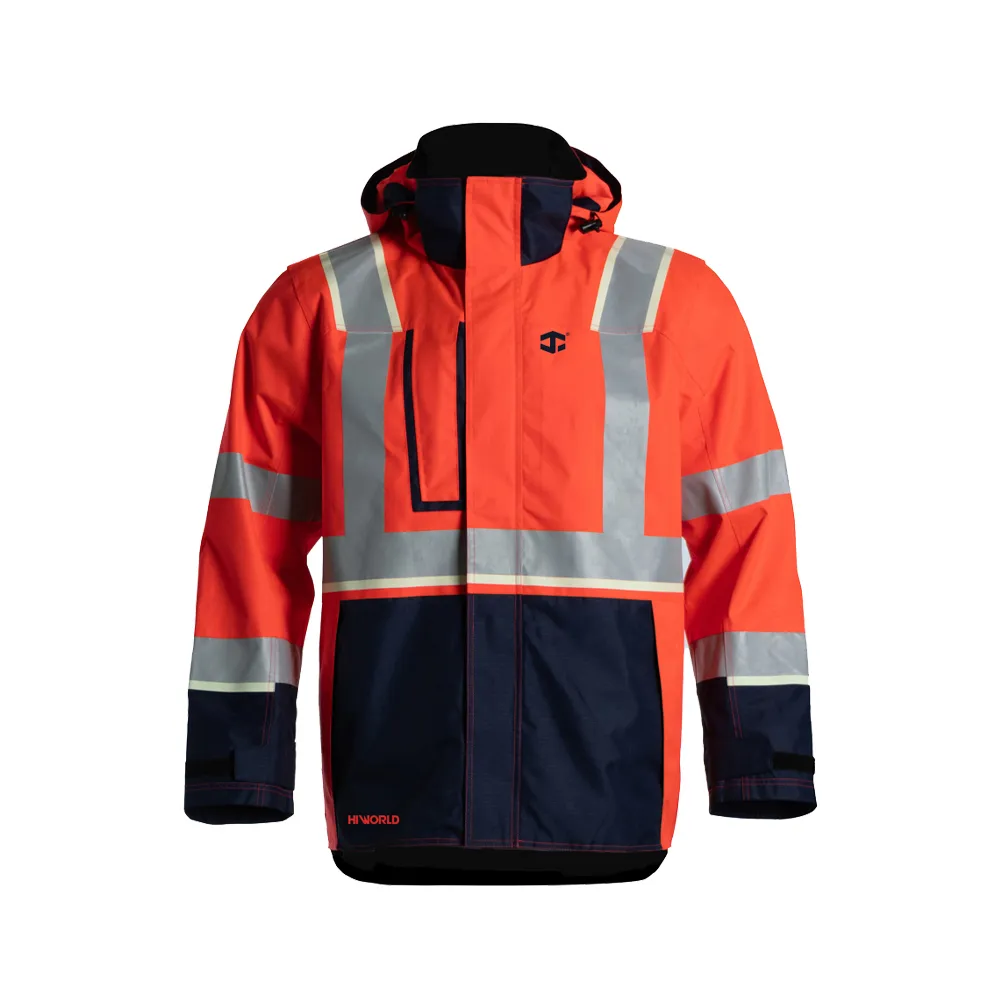
Working along busy roadway corridors, petrochemical loading terminals, or electrical utility substations puts industrial crews face-to-face with overlapping workplace hazards. Field operators frequently need to stay clearly visible to moving heavy machinery while remaining completely protected from sudden electrical arc flashes or flash fires. Trying to address these risks independently often introduces severe safety loopholes that compromise worker health on the ground.
Understanding how to properly protect field personnel from both thermal and low-visibility threats requires examining textile chemistry, global safety standards, and real-world workplace compliance.
The Danger of Layering Standard Vests Over Thermal Apparel
When field crews face both low-visibility conditions and thermal risks, the traditional response has often been throwing a cheap, non-FR high-visibility vest over a primary flame-resistant shirt. Field safety audits routinely reveal why this habit creates a catastrophic hazard. Standard synthetic safety vests are usually made from basic polyester or nylon, materials that quickly melt when hit by intense heat.
During a sudden arc flash blast or fuel flash fire, a non-FR vest ignites within milliseconds and turns into a sticky, molten polymer. This melted liquid penetrates or collapses the flame-resistant layer underneath, sticking directly to human skin and causing deep, irreversible burn trauma. Combining flame-retardant properties and high-visibility performance into a single, unified protective garment eliminates the dangerous temptation to wear non-compliant outer vests. A single-layer dual-hazard garment ensures that workers stay bright and fully flame-resistant without risking fabric melting during a heat blast.
Fiber Science Behind Dyeing Inherent Flame-Resistant Fabrics
Engineering a fabric that meets strict high-visibility chromaticity rules while maintaining lifetime flame resistance presents a serious challenge for textile chemical engineers. High-visibility standards demand bright fluorescent colors—such as safety yellow, safety orange, and safety red—that reflect ambient light and stand out against complex industrial backings.
Standard high-visibility vests use synthetic polyester because its open molecular structure easily absorbs bright fluorescent dyes. In contrast, inherent flame-resistant fibers like meta-aramids, para-aramids, and modacrylics feature tight, highly crystalline molecular structures that resist liquid dye absorption. Dyeing these technical fibers requires advanced solution-dyeing techniques, where fluorescent pigments are infused directly into the liquid polymer matrix before the fibers are extruded.
Equally important is the retroreflective tape applied across the chest, shoulders, and limbs. Standard reflective tape relies on flammable plastic backings that blister and melt under heat stress. Dual-hazard apparel utilizes specialized aramid-backed reflective trim filled with micro-prismatic glass beads. This ensures maximum nighttime visibility and retroreflectivity without creating weak spots that burn through during a thermal exposure.
Key International Standards Governing Dual-Hazard Garments
Selecting compliant dual-hazard safety wear requires navigating several international testing standards and third-party certifications. Purchasing teams must verify that garments carry valid compliance ratings for both thermal defense and high visibility:
-
ANSI/ISEA 107 and EN ISO 20471: Standardizes high-visibility safety apparel by establishing strict rules for background fluorescent material surface area and retroreflective trim placement. Fabrics must pass rigorous tests measuring color fastness, luminance factors, and reflectivity retention after repeated washing cycles.
-
NFPA 2112 and ASTM F1930: Governs flame-resistant garments for industrial personnel against short-duration flash fires. Garments undergo a grueling 3-second thermal mannequin blast test, requiring predicted total body burn coverage to stay under 50 percent for certification.
-
NFPA 70E and ASTM F1959: Establishes electrical safety protocols in the workplace and calculates the Arc Thermal Performance Value or Breakopen Threshold Energy rating in calories per square centimeter.
-
EN ISO 11612: Regulates industrial protective clothing against convective heat, radiant heat, and molten metal splashes for European and international deployments.
Human Ergonomics and Commercial Advantages of Single-Garment Defense
Workplace safety programs fail when garments are too heavy or uncomfortable for crews to wear correctly throughout long shifts. Forcing workers to wear multiple thick layers in hot, humid climates causes rapid heat buildup and physical exhaustion. Tired workers are far more likely to roll up their sleeves or unbutton their shirts, leaving vulnerable skin exposed to severe thermal trauma.
Engineered dual-hazard workwear solves this issue by using lightweight blend fabrics ranging between 6.0 ounces and 7.5 ounces per square yard. These technical textiles integrate moisture-wicking synthetic fibers and breathable weave patterns to keep body heat venting naturally.
Beyond improving worker comfort and compliance, transitioning to a single dual-hazard garment offers strong commercial benefits. Managing a single dual-rated uniform reduces stock tracking complexity, simplifies industrial laundering routines, cuts shipping logistics, and lowers overall replacement costs compared to managing separate flame-resistant shirts and high-visibility vests.
Building Reliable Safety Programs with Capable Manufacturing Partners
Establishing a zero-harm workplace requires connecting rigorous hazard assessments with capable, high-capacity textile manufacturing partners. Global energy operators, transportation utilities, and heavy construction firms need supply chain partners capable of navigating complex international compliance frameworks while maintaining steady production quality. Specialized suppliers like HiWorld provide integrated protective apparel engineering, custom fabric development, and global logistics solutions tailored to demanding industrial applications. Combining certified dual-hazard textile technology, strict lot-by-lot testing, and scalable production ensures field crews operating across hazardous work zones remain completely visible and fully protected anywhere in the world.
Table of Contents
- The Danger of Layering Standard Vests Over Thermal Apparel
- Fiber Science Behind Dyeing Inherent Flame-Resistant Fabrics
- Key International Standards Governing Dual-Hazard Garments
- Human Ergonomics and Commercial Advantages of Single-Garment Defense
- Building Reliable Safety Programs with Capable Manufacturing Partners